Endometriosis
Endo
Chronic conditionA chronic, estrogen-driven inflammatory condition in which tissue similar to the uterine lining grows outside the uterus, causing pain and sometimes infertility. It isn't classified as autoimmune, but women with endometriosis have higher rates of several autoimmune diseases.
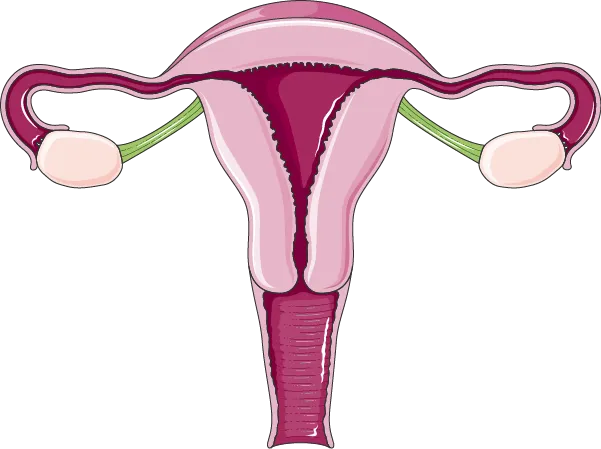
What happens
Endometriosis lesions grow on the ovaries, the lining of the pelvis, the bowel, and the bladder, and rarely beyond the pelvis. They respond to estrogen and cause inflammation, sensitized nerves, and scar tissue (adhesions) that can bind organs together. Cysts called endometriomas can form on the ovaries. The immune system doesn't clear these lesions as it should. Studies show higher rates of Hashimoto's, lupus, rheumatoid arthritis, celiac disease, Sjögren's, and IBD in women with endometriosis. The amount of pain doesn't always match how much endometriosis is found, and diagnosis is often delayed by years.
Who gets it
Endometriosis affects about 1 in 10 women of reproductive age, and symptoms often start in the teens. Risk is higher if your mother or sister has it, and with an early first period, short cycles, or long, heavy periods.
Common signs
- Painful periods that get worse over time or don't respond to usual pain relievers
- Pelvic pain between periods
- Pain during or after sex, especially deep pain
- Pain with bowel movements or urination, especially during your period
- Bloating, diarrhea, or constipation that flares with your cycle
- Heavy periods or spotting between periods
- Fatigue
- Trouble getting pregnant
- Low back or leg pain around your period
Labs to ask about
- A detailed history and pelvic exam
- Transvaginal ultrasound, which can show ovarian cysts and some deep disease but is often normal
- MRI in some cases
- Laparoscopy (keyhole surgery) with biopsy, the only way to confirm it, though treatment can start without it
- CBC and ferritin if periods are heavy
- TSH, TPO antibodies, or celiac antibodies when symptoms suggest them
How it's usually treated
- NSAIDs for pain
- Hormone treatments that lower or steady estrogen, such as continuous birth control, progestins, a hormonal IUD, or GnRH-blocking medicines
- Surgery to remove lesions, ideally by an experienced endometriosis surgeon
- Pelvic floor physical therapy
- Fertility treatment such as IVF when needed
Supportive steps to discuss with your provider
- Track pain, bleeding, and bowel and bladder symptoms against your cycle.
- Ask about pelvic floor physical therapy.
- An anti-inflammatory eating pattern helps some people, though evidence is limited.
- Ask to be screened for thyroid disease or celiac disease if your symptoms overlap.
- Seek support for chronic pain and mood. Long-term pain affects sleep and mental health.
See a doctor promptly if you have
- Sudden, severe pelvic pain, especially with fever, vomiting, or fainting: go to the emergency room
- A positive pregnancy test with one-sided pain or bleeding: go to the emergency room (possible ectopic pregnancy)
- Bleeding that soaks through a pad or tampon every hour for 2 hours or more: get same-day care
- Blood in your urine or stool
- Pain that keeps you from work, school, or daily life
Related conditions
Hashimoto's thyroiditis
The most common cause of an underactive thyroid in the US. The immune system slowly damages the thyroid, so it makes less hormone over time.
Learn more →Lupus
A whole-body autoimmune disease that can inflame the skin, joints, kidneys, blood, heart, lungs, and brain.
Learn more →Celiac disease
An autoimmune reaction to gluten (in wheat, barley, and rye) that damages the lining of the small intestine and blocks nutrient absorption.
Learn more →Fertility challenges
Infertility means not getting pregnant after 12 months of trying, or after 6 months if you're 35 or older. Many causes are treatable, and both partners should be evaluated.
Learn more →
Wondering if your symptoms fit a pattern?
Dr. Lesher is a naturopathic doctor who specializes in women's autoimmune and chronic conditions. Since 2020, she has helped more than 900 patients overcome and heal from their conditions.