Polycystic ovary syndrome
PCOS
Chronic conditionA common hormone condition that often causes irregular periods, higher androgen (male-type hormone) levels, and insulin resistance. Despite the name, not everyone with PCOS has ovarian cysts.
What happens
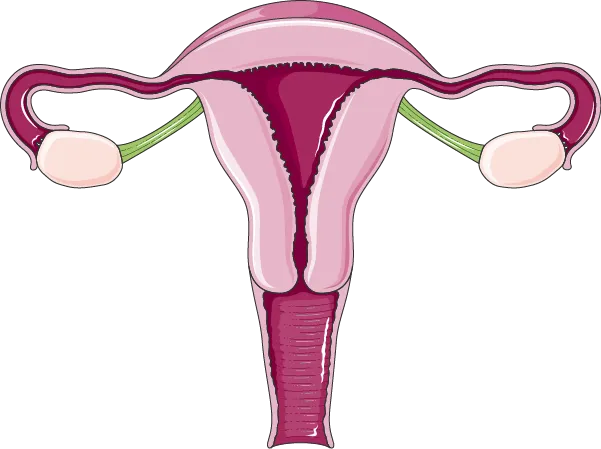
In PCOS, the ovaries make more androgens than usual and often don't release an egg each month. Many people with PCOS also have insulin resistance, at any body size, and high insulin pushes the ovaries to make even more androgens. The 'cysts' seen on ultrasound are many small follicles that didn't mature. Diagnosis usually needs two of three: irregular ovulation, signs of high androgens, and many follicles on ultrasound, after ruling out other causes. Over time, PCOS raises the risk of type 2 diabetes, high cholesterol, sleep apnea, and overgrowth of the uterine lining when periods are infrequent.
Who gets it
PCOS affects about 1 in 10 women of reproductive age and often starts around the first period. A family history of PCOS or type 2 diabetes raises the risk. Many women go years without a diagnosis. Hashimoto's thyroiditis appears to be more common in women with PCOS.
Common signs
- Irregular, infrequent, or absent periods
- Extra hair on the face, chest, or belly
- Acne, often along the jaw
- Thinning hair on the scalp
- Weight gain or trouble losing weight, often around the middle
- Dark, velvety skin in the neck folds or armpits
- Trouble getting pregnant
- Anxiety or low mood
Labs to ask about
- Total and free testosterone, and sometimes DHEA-S and SHBG
- Pelvic ultrasound or AMH in adults (ultrasound isn't used to diagnose teens)
- A1c, fasting glucose, or an oral glucose tolerance test
- Lipid panel
- TSH, prolactin, and 17-hydroxyprogesterone to rule out other causes
- A pregnancy test if periods have stopped
How it's usually treated
- Nutrition, movement, and sleep habits as the foundation, at any weight
- Combined hormonal birth control to regulate cycles, lower androgens, and protect the uterine lining
- Metformin for insulin resistance
- Spironolactone for extra hair growth or acne, with reliable birth control
- Letrozole to trigger ovulation when trying to conceive
Supportive steps to discuss with your provider
- Build meals around protein, fiber, and whole foods to steady blood sugar.
- Strength training improves insulin sensitivity, even without weight loss.
- Ask about inositol. Some studies show benefits for cycles and metabolism, but evidence is still limited.
- If you go 3 months or longer without a period, ask how to protect your uterine lining.
- Ask to be screened for sleep apnea, depression, anxiety, and disordered eating.
See a doctor promptly if you have
- Bleeding that soaks through a pad or tampon every hour for 2 hours or more, or feeling faint: go to the emergency room
- Rapid new hair growth, a deepening voice, or other fast-changing signs of high androgens
- No period for 3 months or longer and you're not pregnant
- Extreme thirst or frequent urination
- Trouble getting pregnant after 6 to 12 months of trying
Related conditions
Blood sugar dysfunction
A spectrum in which the body responds less to insulin, so blood sugar control slowly worsens. It can progress from insulin resistance to prediabetes and type 2 diabetes.
Learn more →Hashimoto's thyroiditis
The most common cause of an underactive thyroid in the US. The immune system slowly damages the thyroid, so it makes less hormone over time.
Learn more →Fertility challenges
Infertility means not getting pregnant after 12 months of trying, or after 6 months if you're 35 or older. Many causes are treatable, and both partners should be evaluated.
Learn more →Skin conditions
Common long-term skin conditions that cause breakouts, rashes, redness, or itching. Hormones, immune activity, and the skin barrier all play a role.
Learn more →
Wondering if your symptoms fit a pattern?
Dr. Lesher is a naturopathic doctor who specializes in women's autoimmune and chronic conditions. Since 2020, she has helped more than 900 patients overcome and heal from their conditions.