Arnica
Also called: Arnica montana
A mountain flower made into gels and creams that are rubbed on bruises and sore muscles. It's also sold as homeopathic pellets. The herb itself is toxic if swallowed and shouldn't go on broken skin.
Commonly used for
- Bruises
- Sore muscles after exercise
- Sprains and strains
- Swelling after minor injuries
Found naturally in
- Not a food. It comes from the flowers of the arnica plant.
Label red flags
- Not clear whether the product is a homeopathic remedy or an herbal cream. Only homeopathic pellets are meant to be taken by mouth.
Check with a provider
- Never swallow arnica gel, cream, oil, tincture, or the herb itself
- Don't apply it to broken skin, cuts, or open wounds
- Allergy to ragweed, daisies, marigolds, or related plants (it can cause a skin rash)
- Pregnancy or breastfeeding
- Stop if the skin turns red, itchy, or blistered
Supplements that contain it
Parts of the body it affects
Explore what each area does and the conditions that can affect it.
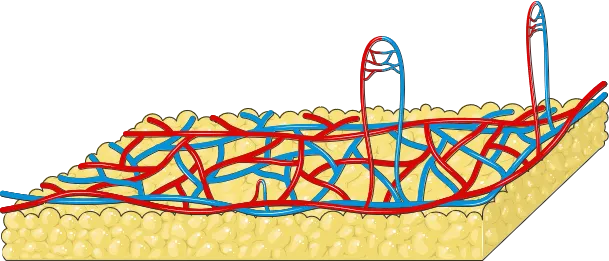
Skin
Your skin is your largest organ and a major immune barrier. Rashes, patches, and color changes are often the first visible signs of an autoimmune condition.
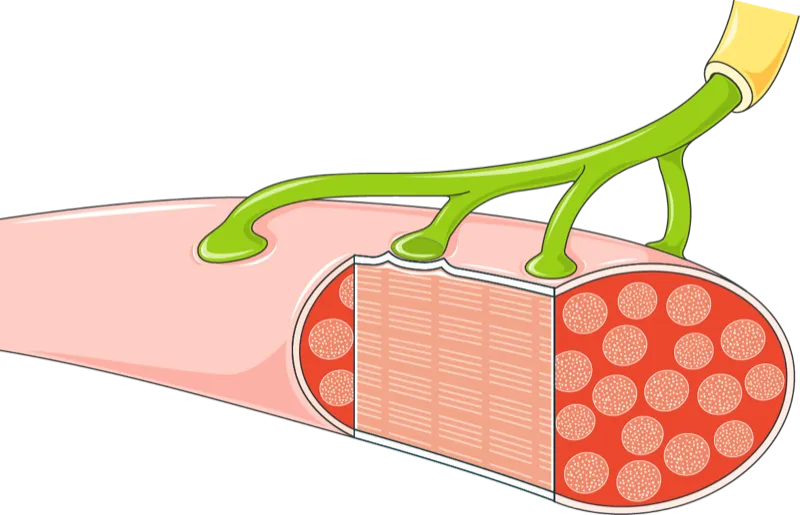
Muscles
Your muscles move and steady your body. Autoimmune muscle disease shows up as true weakness, not just soreness.
Illustrations: Servier Medical Art, CC BY 4.0

Wondering if your symptoms fit a pattern?
Dr. Lesher is a naturopathic doctor who specializes in women's autoimmune and chronic conditions. Since 2020, she has helped more than 900 patients overcome and heal from their conditions.