← All ingredients
Calcium
The main mineral in bones and teeth. It also helps muscles contract, nerves signal, and blood clot. Most people do best getting much of it from food.
Commonly used for
- Bone health
- Low calcium intake from diet, such as dairy-free eating
- Osteopenia or osteoporosis (with your practitioner)
- Pregnancy and breastfeeding (as directed)
Found naturally in
- Dairy (milk, yogurt, cheese)
- Canned sardines and salmon with bones
- Leafy greens like kale and bok choy
- Fortified plant milks
- Calcium-set tofu
Label red flags
- The label lists the compound weight instead of elemental calcium
- Unrefined oyster shell, coral, dolomite, or bone meal without testing for heavy metals
- Calcium stacked across a multi, a bone formula, antacids, and fortified foods
Check with a provider
- Taking levothyroxine or other thyroid medicine. Calcium blocks absorption, so separate doses by at least 4 hours.
- Taking an iron supplement. Calcium reduces iron absorption, so take them at different times.
- Taking certain antibiotics (tetracyclines, quinolones) or bisphosphonates. Separate doses.
- History of kidney stones, high blood calcium, or parathyroid problems, or taking thiazide diuretics
- Some studies link high-dose calcium supplements, unlike calcium from food, with heart and artery concerns. Ask whether you need a supplement at all.
Supplements that contain it
Brand nameProduct nameBone support formulasComing soon
Brand nameProduct nameMultivitaminsComing soon
Brand nameProduct namePrenatalsComing soon
Brand nameProduct nameAntacidsComing soon
Brand nameProduct nameBone support formulasComing soon
Brand nameProduct nameMultivitaminsComing soon
Parts of the body it affects
Explore what each area does and the conditions that can affect it.
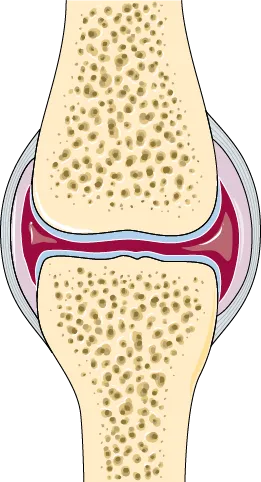
Joints
Joints let your bones move smoothly. Swelling and morning stiffness, rather than ache alone, can point to inflammation.
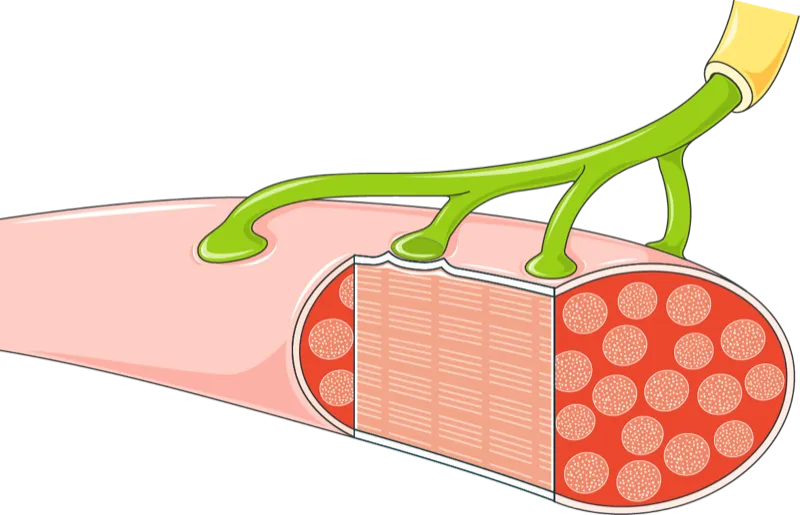
Muscles
Your muscles move and steady your body. Autoimmune muscle disease shows up as true weakness, not just soreness.
Illustrations: Servier Medical Art, CC BY 4.0
Wondering if your symptoms fit a pattern?
Dr. Lesher is a naturopathic doctor who specializes in women's autoimmune and chronic conditions. Since 2020, she has helped more than 900 patients overcome and heal from their conditions.