Cramp bark
Also called: Viburnum opulus, Guelder rose
A shrub bark traditionally used to relax muscle cramps, especially menstrual cramps. Its use is mostly traditional, with little modern research.
Commonly used for
- Menstrual cramps
- Muscle tension and spasms
- Traditional uterine support
Found naturally in
- Cramp bark, from a shrub related to elder and honeysuckle (the berries are not eaten raw)
Label red flags
- Confused with black haw (Viburnum prunifolium), a related but different herb
- Period blends with undisclosed amounts
Check with a provider
- Pregnancy or breastfeeding. Safety data is limited.
- Taking blood pressure medicines, as it may lower blood pressure
- Taking blood thinners
- Severe or worsening period pain. Get checked for causes such as endometriosis or fibroids.
Supplements that contain it
Parts of the body it affects
Explore what each area does and the conditions that can affect it.
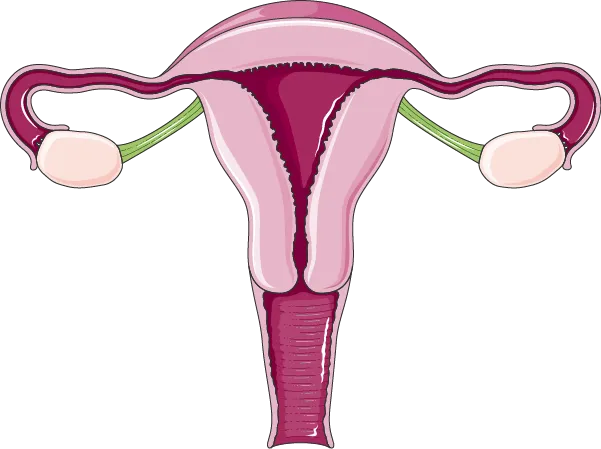
Reproductive organs
Your ovaries and uterus shape your cycle, fertility, and hormones. Sex hormones also influence the immune system, one reason autoimmune disease is more common in women.
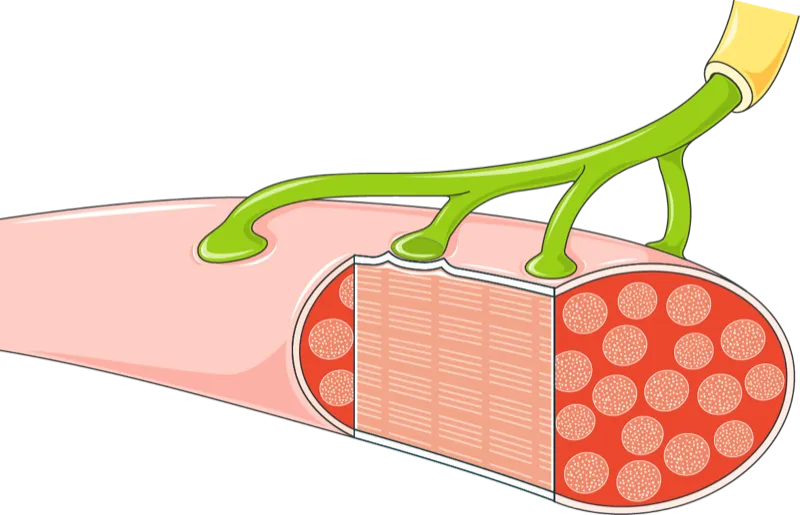
Muscles
Your muscles move and steady your body. Autoimmune muscle disease shows up as true weakness, not just soreness.
Illustrations: Servier Medical Art, CC BY 4.0

Wondering if your symptoms fit a pattern?
Dr. Lesher is a naturopathic doctor who specializes in women's autoimmune and chronic conditions. Since 2020, she has helped more than 900 patients overcome and heal from their conditions.