DHEA
Also called: Dehydroepiandrosterone
A hormone made mainly by the adrenal glands that the body converts into testosterone and estrogen. Levels naturally fall with age.
Commonly used for
- Low DHEA-S on a blood test
- Adrenal insufficiency (alongside medical care)
- Vaginal dryness after menopause (prescription vaginal form)
- Some fertility protocols (with a specialist)
Found naturally in
- Made by your adrenal glands. It isn't found in foods, and wild yam doesn't convert to DHEA.
Label red flags
- 'Natural DHEA from wild yam' claims
- Starting it without a baseline DHEA-S blood test
Check with a provider
- Hormone-sensitive conditions, such as breast, uterine, or ovarian cancer, endometriosis, or fibroids
- PCOS or high androgens (it can raise testosterone, worsening acne and hair growth)
- Pregnancy or breastfeeding
- Mood disorders (it can cause irritability or mania in some people)
- Competitive athletes: DHEA is banned in sport
Supplements that contain it
Parts of the body it affects
Explore what each area does and the conditions that can affect it.
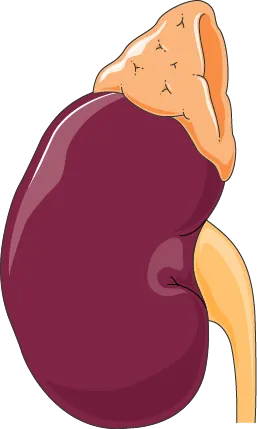
Adrenal glands
These small glands on top of your kidneys make cortisol, aldosterone, and adrenaline, which manage energy, blood pressure, and your stress response.
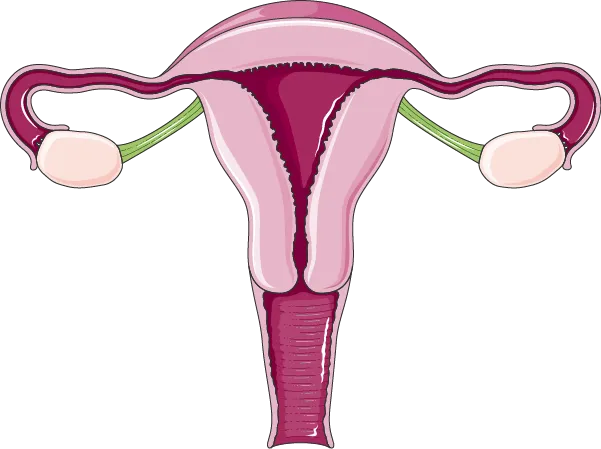
Reproductive organs
Your ovaries and uterus shape your cycle, fertility, and hormones. Sex hormones also influence the immune system, one reason autoimmune disease is more common in women.
Illustrations: Servier Medical Art, CC BY 4.0

Wondering if your symptoms fit a pattern?
Dr. Lesher is a naturopathic doctor who specializes in women's autoimmune and chronic conditions. Since 2020, she has helped more than 900 patients overcome and heal from their conditions.