Estradiol
Also called: E2, bioidentical estrogen
The main estrogen the ovaries make before menopause. As a treatment it's a prescription medicine, used mainly for menopause symptoms and to protect bone.
Commonly used for
- Hot flashes and night sweats
- Vaginal dryness and painful sex (vaginal forms)
- Preventing bone loss after menopause
- Early menopause or premature ovarian insufficiency
Found naturally in
- Made mainly by the ovaries before menopause, and in smaller amounts by fat tissue
- Not found in foods. Soy and flax contain plant compounds (phytoestrogens) with much weaker effects.
Label red flags
- Products sold without a prescription that claim to contain estradiol
- 'Natural estrogen' creams made from wild yam or plant extracts, which don't contain estradiol
Check with a provider
- Having a uterus. Estrogen is usually paired with progesterone to protect the uterine lining, so ask your prescriber.
- History of breast or uterine cancer, or another hormone-sensitive cancer
- Blood clots, stroke, heart attack, or a clotting disorder
- Lupus or antiphospholipid antibodies, which raise clot risk
- Liver disease, unexplained vaginal bleeding, or migraine with aura
Prescription only
Estradiol isn't sold as a supplement. Talk with your provider about whether it's right for you, which form fits best, and how it will be monitored.
Parts of the body it affects
Explore what each area does and the conditions that can affect it.
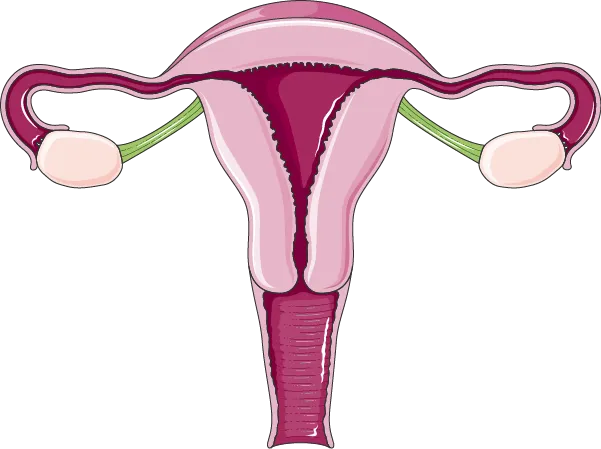
Reproductive organs
Your ovaries and uterus shape your cycle, fertility, and hormones. Sex hormones also influence the immune system, one reason autoimmune disease is more common in women.
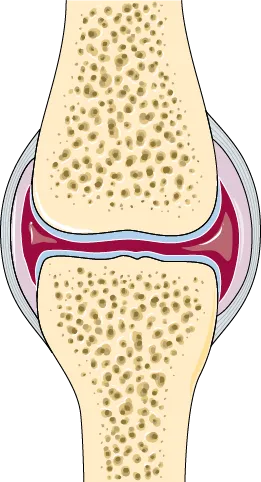
Joints
Joints let your bones move smoothly. Swelling and morning stiffness, rather than ache alone, can point to inflammation.
Illustrations: Servier Medical Art, CC BY 4.0

Wondering if your symptoms fit a pattern?
Dr. Lesher is a naturopathic doctor who specializes in women's autoimmune and chronic conditions. Since 2020, she has helped more than 900 patients overcome and heal from their conditions.