← All ingredients
Potassium
An electrolyte that keeps heart rhythm, muscle contraction, nerve signals, and fluid balance working. Food is the main source, and supplements need more care than most minerals.
Commonly used for
- Low potassium from diet, sweating, or certain diuretics (as directed)
- Blood pressure support, mainly through diet
- Electrolyte replacement with heavy sweating
- Muscle cramps from low electrolytes
Found naturally in
- Potatoes and sweet potatoes
- Beans and lentils
- Avocado
- Leafy greens
- Coconut water
Label red flags
- Salt substitutes, which are mostly potassium chloride and add up quickly
- Several electrolyte drinks or powders used together
Check with a provider
- Kidney disease. The kidneys clear potassium, and levels can build up to a dangerous point.
- Taking ACE inhibitors, ARBs, potassium-sparing diuretics (such as spironolactone), or trimethoprim, which all raise potassium
- Heart rhythm problems or heart failure
- Signs of high potassium: muscle weakness, tingling, or an irregular or slow heartbeat. Seek care right away.
- Trouble swallowing or slow stomach emptying. Potassium pills can irritate the throat and gut.
Supplements that contain it
Brand nameProduct nameElectrolyte mixesComing soon
Brand nameProduct nameSalt substitutesComing soon
Brand nameProduct nameMultivitamins (small amounts)Coming soon
Brand nameProduct nameElectrolyte mixesComing soon
Brand nameProduct nameSalt substitutesComing soon
Brand nameProduct nameMultivitamins (small amounts)Coming soon
Parts of the body it affects
Explore what each area does and the conditions that can affect it.
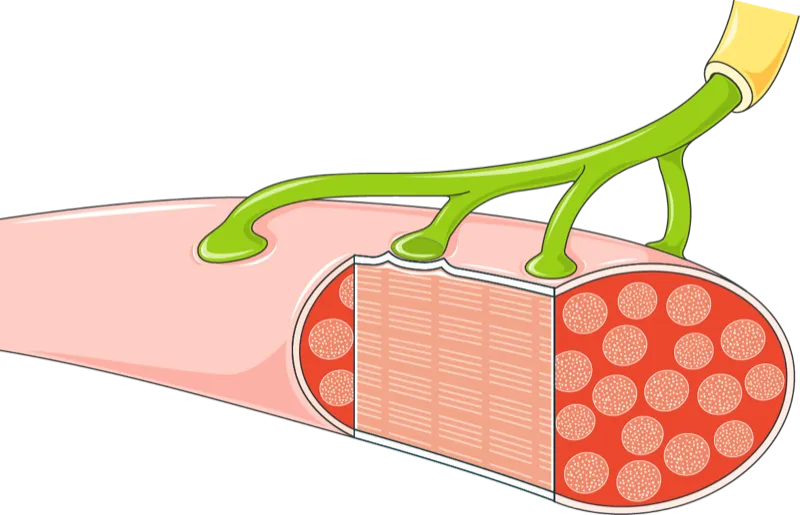
Muscles
Your muscles move and steady your body. Autoimmune muscle disease shows up as true weakness, not just soreness.
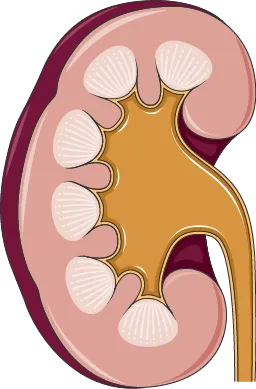
Kidneys
Your kidneys filter waste from your blood, balance fluids and minerals, and help control blood pressure.
Illustrations: Servier Medical Art, CC BY 4.0

Wondering if your symptoms fit a pattern?
Dr. Lesher is a naturopathic doctor who specializes in women's autoimmune and chronic conditions. Since 2020, she has helped more than 900 patients overcome and heal from their conditions.