Shatavari
Also called: Asparagus racemosus
A root from the asparagus family used in Ayurvedic medicine as a tonic for women's health. Traditional use is long, but human research is small and early.
Commonly used for
- Menopause symptoms (early research)
- Overall female reproductive support in Ayurveda
- Breast milk supply (mixed evidence)
- Digestive comfort
Found naturally in
- Shatavari root, traditionally taken as a powder in warm milk
Label red flags
- No third-party testing for heavy metals
- Blends with undisclosed amounts
Check with a provider
- Pregnancy or breastfeeding. Safety data is limited, so ask before using, including for milk supply.
- Allergy to asparagus
- History of hormone-sensitive cancer or conditions, since it may have mild hormone effects
- Taking diabetes medicines, as it may lower blood sugar
Supplements that contain it
Parts of the body it affects
Explore what each area does and the conditions that can affect it.
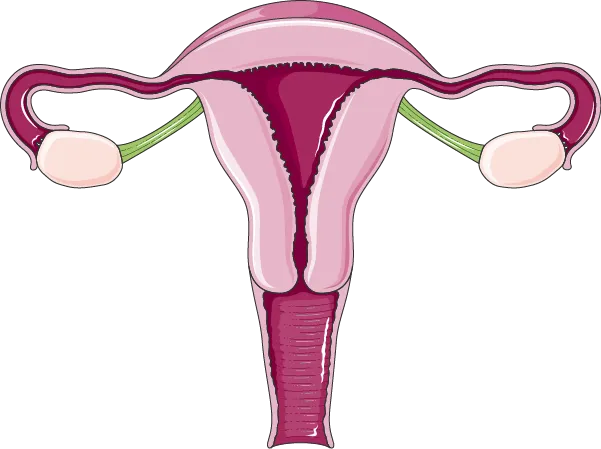
Reproductive organs
Your ovaries and uterus shape your cycle, fertility, and hormones. Sex hormones also influence the immune system, one reason autoimmune disease is more common in women.

Digestive tract
Your stomach and intestines absorb nutrients and hold most of your body's immune tissue, which makes the gut a common target in autoimmune disease.
Illustrations: Servier Medical Art, CC BY 4.0

Wondering if your symptoms fit a pattern?
Dr. Lesher is a naturopathic doctor who specializes in women's autoimmune and chronic conditions. Since 2020, she has helped more than 900 patients overcome and heal from their conditions.