Vitamin A
Also called: Retinol, retinyl palmitate, retinyl acetate, beta-carotene
A fat-soluble vitamin that supports vision, skin, and the protective linings of the gut and airways. It comes as ready-made vitamin A (retinol) or as beta-carotene, which the body converts as needed.
Commonly used for
- Low vitamin A on a blood test
- Night vision and eye health
- Skin health
- Immune support
- Poor fat absorption, such as with celiac disease or IBD
Found naturally in
- Liver and cod liver oil (ready-made vitamin A)
- Egg yolks and dairy
- Sweet potatoes and carrots (beta-carotene)
- Spinach and kale (beta-carotene)
Label red flags
- The label doesn't say how much is ready-made vitamin A (retinol) versus beta-carotene
- Vitamin A in several products at once, such as a multivitamin, cod liver oil, and an immune formula
- High-dose beta-carotene in a product taken by someone who smokes
Check with a provider
- Pregnant, trying to conceive, or could become pregnant. High amounts of ready-made vitamin A (retinol) can cause birth defects. Beta-carotene doesn't carry this risk.
- You smoke, recently quit, or were exposed to asbestos. High-dose beta-carotene supplements raised lung cancer risk in large studies of smokers.
- Liver disease or regular heavy alcohol use
- Taking isotretinoin, acitretin, or another retinoid medicine. Don't add vitamin A on top.
- Signs of too much: headache, nausea, dry or peeling skin, bone or joint pain, or blurred vision. Long-term excess retinol is also linked to bone loss.
Supplements that contain it
Parts of the body it affects
Explore what each area does and the conditions that can affect it.
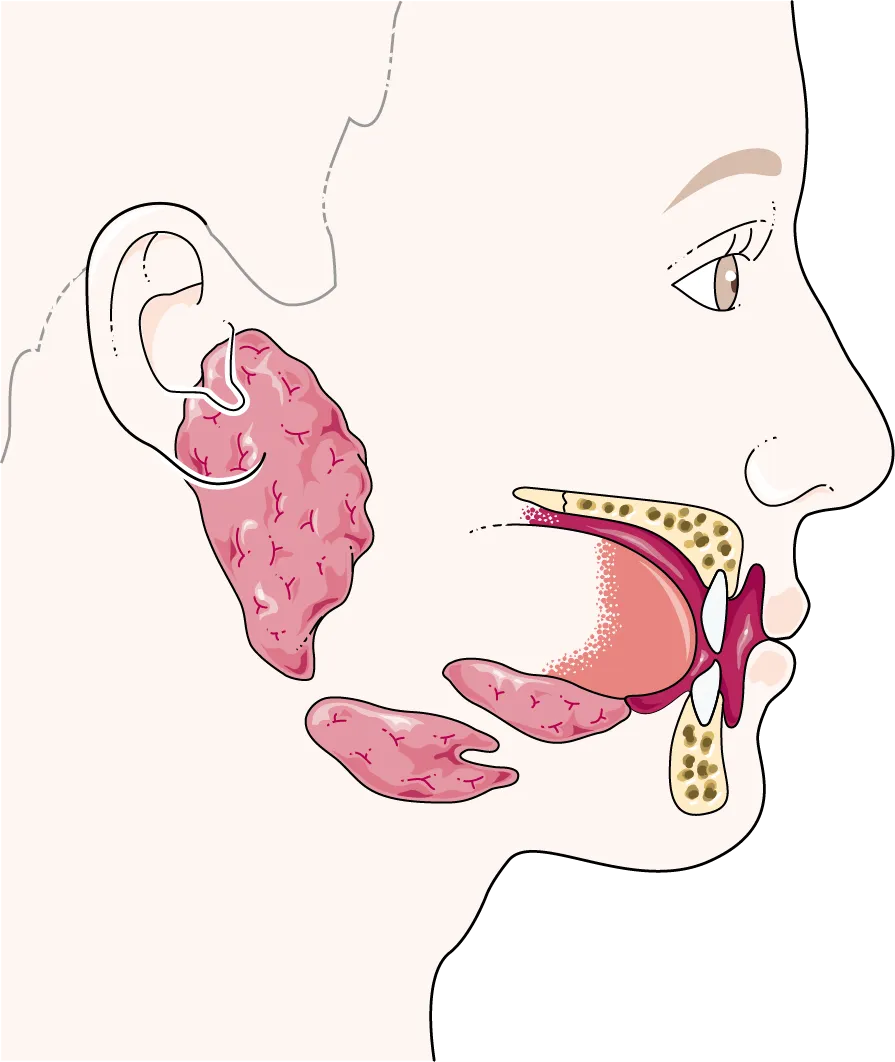
Eyes & mouth
Tear and salivary glands keep your eyes and mouth moist and protected. Lasting dryness can be an early clue to an autoimmune condition.
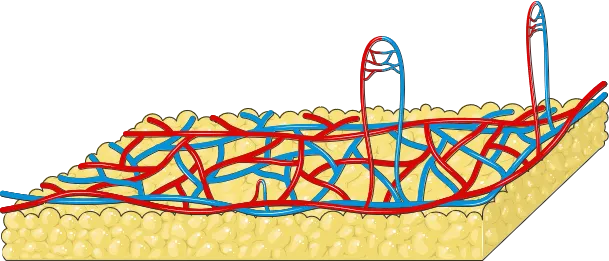
Skin
Your skin is your largest organ and a major immune barrier. Rashes, patches, and color changes are often the first visible signs of an autoimmune condition.

Blood & immune system
Blood carries oxygen and nutrients, and white blood cells defend you from infection. In autoimmune disease, that defense system targets your own tissues.
Illustrations: Servier Medical Art, CC BY 4.0

Wondering if your symptoms fit a pattern?
Dr. Lesher is a naturopathic doctor who specializes in women's autoimmune and chronic conditions. Since 2020, she has helped more than 900 patients overcome and heal from their conditions.