← All ingredients
Niacin (B3)
Also called: Vitamin B3, nicotinic acid, niacinamide, nicotinamide
Needed to make NAD, a molecule every cell uses for energy and repair. It comes in two main forms that act very differently: niacin can cause flushing and affects cholesterol, while niacinamide does neither.
Commonly used for
- Energy metabolism
- Skin health (niacinamide)
- Cholesterol, only under a prescriber's care (niacin)
- General B-complex support
Found naturally in
- Chicken and turkey
- Tuna and salmon
- Peanuts
- Mushrooms
- The body also makes some from tryptophan in protein foods
Label red flags
- 'Niacin' on the label without saying whether it is nicotinic acid or niacinamide
- Sustained-release, time-release, or slow-release niacin
- 'Flush-free' or 'no-flush' niacin sold for cholesterol
Check with a provider
- Liver disease, heavy alcohol use, or signs of liver strain such as nausea, dark urine, or yellow skin or eyes. Stop and get checked.
- Taking a statin or other cholesterol medicine. Adding high-dose niacin can raise the risk of muscle and liver problems.
- Diabetes or prediabetes, since high-dose niacin can raise blood sugar
- Gout or a stomach ulcer, which high-dose niacin can make worse
- Pregnant or breastfeeding. The amount in a prenatal is fine. Avoid high-dose niacin.
Supplements that contain it
Brand nameProduct nameB-complex formulasComing soon
Brand nameProduct nameMultivitaminsComing soon
Brand nameProduct nameNAD and healthy-aging formulasComing soon
Brand nameProduct nameSkin formulas (niacinamide)Coming soon
Brand nameProduct nameB-complex formulasComing soon
Brand nameProduct nameMultivitaminsComing soon
Parts of the body it affects
Explore what each area does and the conditions that can affect it.
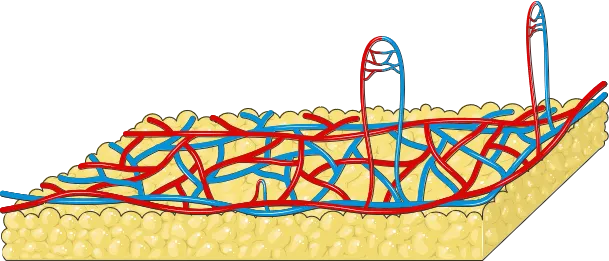
Illustrations: Servier Medical Art, CC BY 4.0

Wondering if your symptoms fit a pattern?
Dr. Lesher is a naturopathic doctor who specializes in women's autoimmune and chronic conditions. Since 2020, she has helped more than 900 patients overcome and heal from their conditions.