Vitamin D3
Also called: Cholecalciferol
A hormone-like vitamin that supports immunity, mood, bone strength, and hormone signaling. Low levels are common, especially in winter.
Commonly used for
- Low vitamin D on a blood test
- Immune support
- Bone health
- Mood, especially in winter
- Autoimmune conditions, where low levels are common
Found naturally in
- Sunlight on skin (the main source)
- Salmon and sardines
- Egg yolks
- Fortified milk
Label red flags
- Very high daily doses (10,000 IU+) taken long term without testing
- Stacking several products that each contain vitamin D
Check with a provider
- History of high calcium, kidney stones, sarcoidosis, or other granulomatous disease
- Taking thiazide diuretics
Supplements that contain it
Parts of the body it affects
Explore what each area does and the conditions that can affect it.

Blood & immune system
Blood carries oxygen and nutrients, and white blood cells defend you from infection. In autoimmune disease, that defense system targets your own tissues.
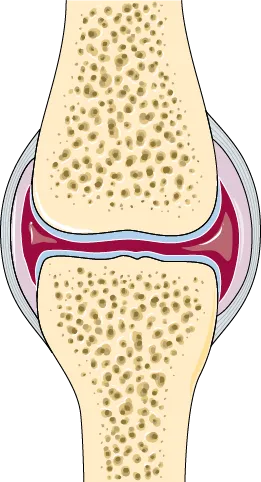
Joints
Joints let your bones move smoothly. Swelling and morning stiffness, rather than ache alone, can point to inflammation.
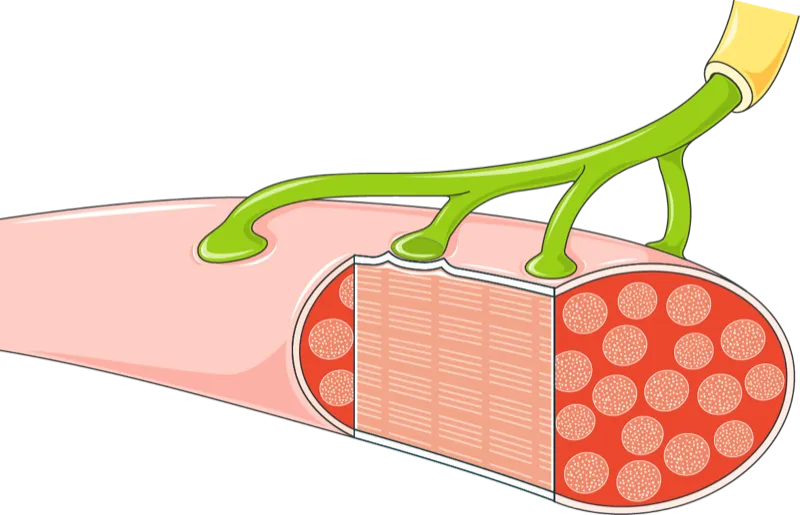
Muscles
Your muscles move and steady your body. Autoimmune muscle disease shows up as true weakness, not just soreness.
Illustrations: Servier Medical Art, CC BY 4.0

Wondering if your symptoms fit a pattern?
Dr. Lesher is a naturopathic doctor who specializes in women's autoimmune and chronic conditions. Since 2020, she has helped more than 900 patients overcome and heal from their conditions.