Uterine fibroids
Leiomyomas, myomas
Chronic conditionNoncancerous growths of the uterine muscle. Many cause no symptoms, but some cause heavy periods, pelvic pressure, and anemia.
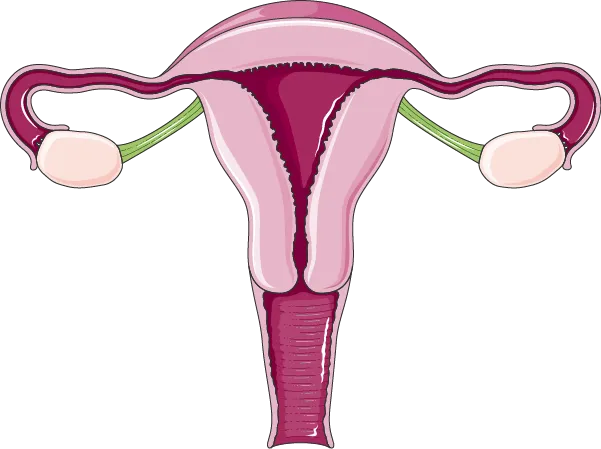
What happens
Fibroids grow from smooth muscle cells in the wall of the uterus. They range from the size of a seed to large masses, and can sit inside the uterine cavity, within the wall, or on the outer surface. Estrogen and progesterone fuel their growth, so they tend to grow during the reproductive years and shrink after menopause. Fibroids are almost never cancer.
Who gets it
Fibroids are very common, and most women have them by 50. They are more common in Black women, and tend to appear earlier and grow larger. Risk is higher with a family history, an early first period, high blood pressure, and low vitamin D.
Common signs
- Heavy or long periods, sometimes with clots
- Fatigue, shortness of breath, or dizziness from low iron
- Pelvic pressure, fullness, or a swollen belly
- Frequent urination or trouble emptying your bladder
- Constipation
- Low back or pelvic pain
- Pain with sex
- Trouble getting pregnant or miscarriage in some cases
Labs to ask about
- Pelvic exam
- Pelvic ultrasound
- CBC and ferritin
- Saline sonogram or hysteroscopy for fibroids inside the cavity
- MRI before some procedures
- TSH, since thyroid problems can also cause heavy bleeding
How it's usually treated
- Watchful waiting if fibroids cause no symptoms
- Medicines for bleeding, such as NSAIDs, tranexamic acid, a hormonal IUD, or birth control
- GnRH-blocking combination medicines to reduce heavy bleeding
- Uterus-sparing procedures, such as fibroid embolization, radiofrequency ablation, or myomectomy
- Hysterectomy if you don't plan a future pregnancy and other options haven't helped
Supportive steps to discuss with your provider
- Track your bleeding, including how often you change pads or tampons and the size of clots.
- Rebuild iron based on your labs.
- Ask about vitamin D. Some studies link low vitamin D with fibroid growth.
- Ask about every option, including uterus-sparing ones, before deciding on surgery. A second opinion is reasonable.
See a doctor promptly if you have
- Bleeding that soaks through a pad or tampon every hour for 2 hours or more, or feeling faint: go to the emergency room
- Sudden, severe pelvic pain or pain with fever: get same-day care
- You can't urinate or empty your bladder
- Any bleeding after menopause, or a fibroid that grows after menopause
- Signs of anemia, such as shortness of breath or a racing heart with activity
Related conditions
Anemia
Having too few healthy red blood cells, or too little hemoglobin, to carry enough oxygen through the body. Iron deficiency from heavy periods is the most common cause in women.
Learn more →Period problems
Very painful, heavy, irregular, or missing periods, and severe mood symptoms before a period, are common but not something you have to put up with. They often point to a treatable cause.
Learn more →Fertility challenges
Infertility means not getting pregnant after 12 months of trying, or after 6 months if you're 35 or older. Many causes are treatable, and both partners should be evaluated.
Learn more →Perimenopause and menopause
Menopause is the point 12 months after your last period, when the ovaries have stopped releasing eggs. Perimenopause is the years of shifting hormones before it, when most symptoms begin.
Learn more →
Wondering if your symptoms fit a pattern?
Dr. Lesher is a naturopathic doctor who specializes in women's autoimmune and chronic conditions. Since 2020, she has helped more than 900 patients overcome and heal from their conditions.