Perimenopause and menopause
The menopause transition, postmenopause, early or surgical menopause
Chronic conditionMenopause is the point 12 months after your last period, when the ovaries have stopped releasing eggs. Perimenopause is the years of shifting hormones before it, when most symptoms begin.
What happens
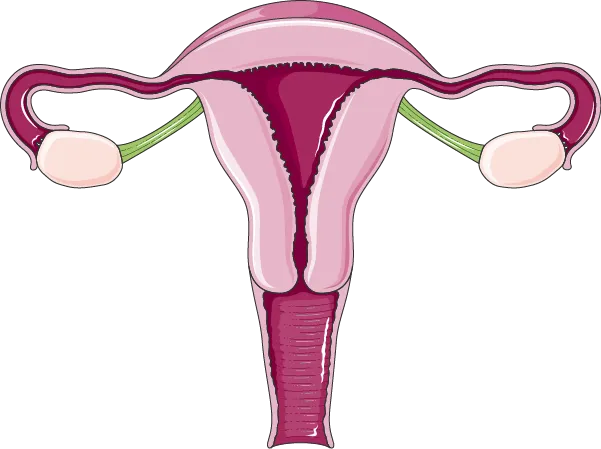
During perimenopause, estrogen and progesterone rise and fall unevenly, often for several years. Cycles change, and hot flashes and sleep problems often start. After menopause, estrogen stays low, which affects the brain's temperature control, vaginal and urinary tissues, bone, and heart and metabolic health. Menopause before 40 is called primary ovarian insufficiency. It is sometimes autoimmune and is linked to thyroid disease and Addison's disease.
Who gets it
Perimenopause usually starts in the 40s, and the average age of menopause in the US is about 51. It can come earlier with smoking, removal of the ovaries, chemotherapy, and some autoimmune conditions. Menopause before 45 raises long-term risks for heart disease and bone loss.
Common signs
- Hot flashes and night sweats
- Periods that are irregular, heavier, or lighter
- Trouble sleeping
- Irritability, anxiety, or low mood
- Brain fog or memory lapses
- Vaginal dryness, pain with sex, or urinary urgency or infections
- Joint aches
- Lower sex drive
- Weight shifting toward the middle
Labs to ask about
- Usually diagnosed by age and symptoms. Hormone levels swing in perimenopause, so tests are often not needed after 45.
- FSH and estradiol if you're under 45 or have had a hysterectomy
- TSH, since thyroid symptoms overlap
- CBC and ferritin if periods are heavy
- Lipid panel, A1c, and blood pressure
- Thyroid and adrenal antibodies if menopause comes before 40
How it's usually treated
- Menopausal hormone therapy, the most effective treatment for hot flashes. For many healthy women under 60 or within 10 years of menopause, benefits usually outweigh risks.
- Progestogen along with estrogen if you have a uterus
- Vaginal estrogen for dryness and urinary symptoms, which is low-risk for most people
- Non-hormonal medicines, such as fezolinetant, certain antidepressants, or gabapentin
- Cognitive behavioral therapy, which helps hot flashes and sleep
Supportive steps to discuss with your provider
- Do strength and weight-bearing exercise to protect bone and muscle.
- Keep your bedroom cool and limit alcohol, which can trigger hot flashes.
- Track your cycles and symptoms to share at visits.
- Ask about heart and bone screening.
- Ask before using herbal products or compounded hormones. Evidence for many is mixed, and quality varies.
See a doctor promptly if you have
- Chest pain, shortness of breath, or a swollen, painful leg while on hormone therapy: call 911
- Bleeding that soaks through a pad or tampon every hour for 2 hours or more: get same-day care
- Any bleeding after 12 months without a period
- Periods stopping before 40
- Thoughts of self-harm: call or text 988
Related conditions
Osteoporosis
A condition in which bones become thinner and weaker, so they break more easily. It usually causes no symptoms until a bone breaks.
Learn more →Insomnia and sleep disorders
Trouble falling asleep, staying asleep, or waking rested, at least 3 nights a week for 3 months or more. Other sleep disorders, such as sleep apnea, are often missed in women.
Learn more →Hashimoto's thyroiditis
The most common cause of an underactive thyroid in the US. The immune system slowly damages the thyroid, so it makes less hormone over time.
Learn more →Addison's disease
The immune system damages the adrenal glands, so they can't make enough cortisol and aldosterone. It's rare but serious, and different from everyday stress-related fatigue.
Learn more →
Wondering if your symptoms fit a pattern?
Dr. Lesher is a naturopathic doctor who specializes in women's autoimmune and chronic conditions. Since 2020, she has helped more than 900 patients overcome and heal from their conditions.