Brain & nerve conditions in women
Your brain, spinal cord, and nerves carry every signal in your body, from movement and sensation to mood and memory.
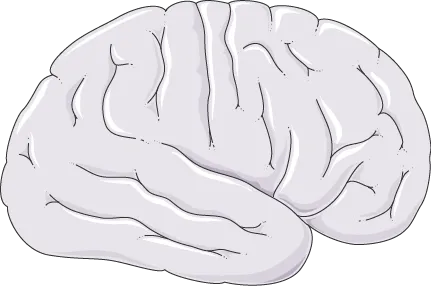
Conditions that affect your brain & nerves 15
Autoimmune and chronic conditions that can involve your brain & nerves. Each guide covers early signs, labs to ask about, and when to see a doctor.
ADD / ADHD
ChronicA lifelong difference in how the brain manages attention, focus, and impulses. In women it's often missed or mistaken for anxiety or depression.
Anxiety
ChronicWorry, fear, or physical tension that's out of proportion to the situation and gets in the way of daily life. Physical causes such as thyroid or hormone changes can drive or worsen it.
Depression
ChronicA persistent low mood or loss of interest that lasts at least 2 weeks and affects how you think, feel, and function. It's a medical condition, not a weakness, and it's treatable.
Insomnia and sleep disorders
ChronicTrouble falling asleep, staying asleep, or waking rested, at least 3 nights a week for 3 months or more. Other sleep disorders, such as sleep apnea, are often missed in women.
Migraines and headaches
ChronicMigraine is a common neurological condition that causes repeated attacks of moderate to severe headache, often with nausea and sensitivity to light and sound. Other ongoing headaches, such as tension-type headache, are also common.
Multiple sclerosis
AutoimmuneThe immune system attacks myelin, the protective coating around nerves in the brain, spinal cord, and optic nerves, disrupting nerve signals.
Chronic infections
ChronicOngoing symptoms that follow or are linked to an infection or exposure. Some links are well established, and others are still debated.
Fatigue and chronic fatigue
ChronicOngoing exhaustion that limits daily life. It can come from a treatable cause, or it can be ME/CFS, a serious illness in which effort makes symptoms worse.
Myasthenia gravis
AutoimmuneAntibodies block the signal between nerves and muscles, causing weakness that gets worse with use and improves with rest.
Perimenopause and menopause
ChronicMenopause is the point 12 months after your last period, when the ovaries have stopped releasing eggs. Perimenopause is the years of shifting hormones before it, when most symptoms begin.
Antiphospholipid syndrome
AutoimmuneAntibodies make the blood more likely to clot, raising the risk of blood clots, strokes, and pregnancy complications.
Period problems
ChronicVery painful, heavy, irregular, or missing periods, and severe mood symptoms before a period, are common but not something you have to put up with. They often point to a treatable cause.
Pernicious anemia
AutoimmuneThe immune system attacks cells in the stomach lining that make intrinsic factor, a protein needed to absorb vitamin B12.
Sjögren's disease
AutoimmuneThe immune system targets the glands that make tears and saliva, causing lasting dryness. It can also affect joints, nerves, and other organs.
Lupus
AutoimmuneA whole-body autoimmune disease that can inflame the skin, joints, kidneys, blood, heart, lungs, and brain.
No conditions match. Try another word.
Signs worth getting checked
- Numbness or tingling that doesn't go away
- Vision loss or pain in one eye
- New weakness, clumsiness, or balance problems
- Memory or concentration problems that don't improve with rest
Ingredients that affect your brain & nerves
Vitamins, minerals, herbs, and other supplements commonly used for the brain & nerves. Each one links to its full guide.
About your brain & nerves
What it does
The brain and spinal cord (the central nervous system) and the nerves that branch out from them control movement, sensation, thinking, and automatic functions such as heart rate and digestion. A fatty coating called myelin insulates nerves so signals travel quickly.
Common issues
- Migraine and tension headaches
- Brain fog from poor sleep, stress, or hormone shifts
- Tingling or numbness from B12 deficiency, diabetes, or thyroid disease
- Anxiety and depression, which often overlap with chronic illness

Wondering if your symptoms fit a pattern?
Dr. Lesher is a naturopathic doctor who specializes in women's autoimmune and chronic conditions. Since 2020, she has helped more than 900 patients overcome and heal from their conditions.