ADD / ADHD
Attention-deficit/hyperactivity disorder, inattentive type (formerly ADD)
Chronic conditionA lifelong difference in how the brain manages attention, focus, and impulses. In women it's often missed or mistaken for anxiety or depression.
What happens
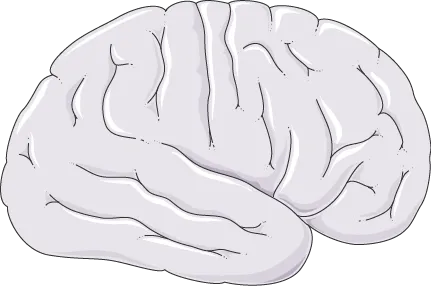
ADHD involves differences in brain networks that use dopamine and norepinephrine to plan, focus, and regulate effort and emotion. Girls more often have the inattentive type, which looks like daydreaming or disorganization rather than hyperactivity, so many aren't diagnosed until adulthood. Estrogen affects dopamine, so symptoms can worsen before periods, after childbirth, and in perimenopause.
Who gets it
ADHD starts in childhood and often runs in families. Women are frequently diagnosed later than men, often after years of being treated for anxiety or depression. Some studies link ADHD with higher rates of allergic and autoimmune conditions, though the reasons aren't clear.
Common signs
- Trouble starting, organizing, or finishing tasks
- Losing things, forgetting appointments, or running late
- Getting distracted easily, or hyperfocusing on things of interest
- Restlessness or a busy mind that's hard to quiet
- Strong emotional reactions and sensitivity to criticism
- Feeling overwhelmed by daily demands despite working hard to keep up
- Trouble falling asleep or a shifted sleep schedule
- Symptoms that worsen before periods, postpartum, or in perimenopause
Labs to ask about
- A full evaluation by a clinician trained in adult ADHD, including childhood history and rating scales
- Screening for anxiety, depression, and mood disorders, which often occur alongside ADHD
- Screening for sleep problems, including sleep apnea
- TSH, CBC, and ferritin to rule out thyroid problems and low iron
- Blood pressure and heart history before starting stimulant medicine
How it's usually treated
- Stimulant medicines, which are the most studied and effective treatment
- Non-stimulant medicines for people who can't take or don't respond to stimulants
- ADHD-focused therapy (CBT) and coaching for planning and routines
- Treating co-occurring anxiety, depression, or sleep problems
Supportive steps to discuss with your provider
- Track symptoms against your menstrual cycle and share the pattern with your provider.
- Protect sleep and get regular exercise. Both affect focus.
- Use external systems such as calendars, alarms, and checklists instead of relying on memory.
- Ask how pregnancy, breastfeeding, or perimenopause may change your treatment plan.
- Tell your provider about your caffeine and alcohol use, which can interact with ADHD and its treatment.
See a doctor promptly if you have
- Thoughts of suicide or harming yourself: call or text 988, or call 911 if you're in immediate danger
- Chest pain, fainting, or a racing heartbeat on stimulant medicine: call 911
- Symptoms that sharply worsen after childbirth or in perimenopause
- Using alcohol or other substances to cope
Related conditions
Anxiety
Worry, fear, or physical tension that's out of proportion to the situation and gets in the way of daily life. Physical causes such as thyroid or hormone changes can drive or worsen it.
Learn more →Depression
A persistent low mood or loss of interest that lasts at least 2 weeks and affects how you think, feel, and function. It's a medical condition, not a weakness, and it's treatable.
Learn more →Insomnia and sleep disorders
Trouble falling asleep, staying asleep, or waking rested, at least 3 nights a week for 3 months or more. Other sleep disorders, such as sleep apnea, are often missed in women.
Learn more →Perimenopause and menopause
Menopause is the point 12 months after your last period, when the ovaries have stopped releasing eggs. Perimenopause is the years of shifting hormones before it, when most symptoms begin.
Learn more →
Wondering if your symptoms fit a pattern?
Dr. Lesher is a naturopathic doctor who specializes in women's autoimmune and chronic conditions. Since 2020, she has helped more than 900 patients overcome and heal from their conditions.