Vitamin E
Also called: Tocopherols, tocotrienols, d-alpha-tocopherol
A fat-soluble antioxidant that helps protect cell membranes from damage. It has a mild blood-thinning effect, which matters if you take other blood thinners.
Commonly used for
- Antioxidant support
- Skin health
- Menstrual cramps (some studies)
- Poor fat absorption, such as with celiac disease or IBD
Found naturally in
- Sunflower seeds
- Almonds and hazelnuts
- Wheat germ oil
- Spinach
- Avocado
Label red flags
- 'dl-alpha-tocopherol' on the label, which means the synthetic form
- High-dose vitamin E taken long term without a clear reason. Some studies link this to more harm than benefit.
Check with a provider
- Taking a blood thinner or antiplatelet drug (warfarin, apixaban, clopidogrel, aspirin), since vitamin E can raise bleeding risk
- A bleeding or clotting disorder, low vitamin K, or a history of stroke
- Upcoming surgery or dental work. Your care team may ask you to stop beforehand.
- In cancer treatment. Check with your oncology team first.
Supplements that contain it
Parts of the body it affects
Explore what each area does and the conditions that can affect it.
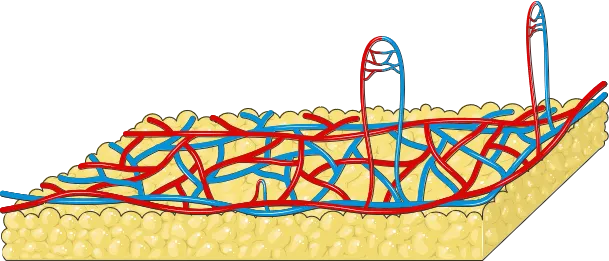
Skin
Your skin is your largest organ and a major immune barrier. Rashes, patches, and color changes are often the first visible signs of an autoimmune condition.

Brain & nerves
Your brain, spinal cord, and nerves carry every signal in your body, from movement and sensation to mood and memory.
Illustrations: Servier Medical Art, CC BY 4.0

Wondering if your symptoms fit a pattern?
Dr. Lesher is a naturopathic doctor who specializes in women's autoimmune and chronic conditions. Since 2020, she has helped more than 900 patients overcome and heal from their conditions.