Psoriasis & psoriatic arthritis
Autoimmune conditionAn immune-mediated condition in which skin cells build up too quickly, forming thick, scaly patches. Up to about 1 in 3 people with psoriasis develop psoriatic arthritis.
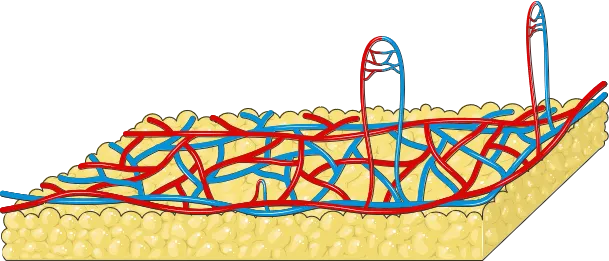
What happens
Overactive immune signals speed up skin cell turnover from about a month to a few days. The same inflammation can affect joints, tendons, nails, and eyes, and it raises the risk of heart and metabolic problems.
Who gets it
Psoriasis affects women and men about equally and often starts between 15 and 35 or between 50 and 60. Flares are linked to stress, infections, smoking, alcohol, and some medicines.
Common signs
- Raised, scaly patches on the scalp, elbows, knees, or lower back
- Itching or burning skin
- Pitted or crumbling nails
- Swollen, sausage-like fingers or toes
- Heel pain or lower back pain
- Morning joint stiffness
Labs to ask about
- Usually diagnosed by a skin exam, sometimes with a skin biopsy
- For joint symptoms: CRP, ESR, and RF and anti-CCP to rule out rheumatoid arthritis
- X-ray or ultrasound of affected joints
- Lipids, A1c, and liver enzymes for metabolic screening
How it's usually treated
- Topical treatments such as steroid creams and vitamin D analogs
- Light therapy (phototherapy)
- Oral or biologic medicines for moderate to severe disease or arthritis
Supportive steps to discuss with your provider
- Moisturize every day.
- Cut back on alcohol and stop smoking.
- Losing weight, if you're overweight, can improve psoriasis.
- Build in stress management. Stress is a common flare trigger.
See a doctor promptly if you have
- Joint swelling or stiffness
- Redness covering most of your body, or pus-filled bumps with fever: get same-day care
- A red, painful eye
Related conditions
Crohn's disease & ulcerative colitis
Immune-mediated conditions in which the immune system drives chronic inflammation of the digestive tract. They're often grouped with autoimmune diseases.
Learn more →Rheumatoid arthritis
The immune system attacks the lining of the joints, causing painful swelling that can damage cartilage and bone if untreated.
Learn more →Vitiligo & alopecia areata
Two autoimmune conditions of the skin and hair. Vitiligo destroys pigment cells, leaving white patches. Alopecia areata attacks hair follicles, causing patchy hair loss.
Learn more →
Wondering if your symptoms fit a pattern?
Dr. Lesher is a naturopathic doctor who specializes in women's autoimmune and chronic conditions. Since 2020, she has helped more than 900 patients overcome and heal from their conditions.